elewa natural beauty
Nachhaltig & Fair Trade
In verschiedenen Ländern Afrikas haben sich engagierte Menschen und Farmer zusammengeschlossen und Netzwerke gegründet. Sie haben es sich zur Aufgabe gemacht, die Schätze ihrer Heimat – die wertvollen Öle – nachhaltig zu produzieren – ob angebaut oder aus Wild Pflückung – und Fair Trade zu handeln.
So werden Arbeitsplätze geschaffen, vor allem dort, wo die Arbeitslosigkeit hoch ist. Besonders Frauen profitieren durch die Arbeit dieser Netzwerke, denn die Arbeit auf den Farmen wird hauptsächlich von ihnen geleistet. Durch fairen Handel wird gesichert, dass sie eine angemessene Bezahlung erhalten. Viele sind alleine für den Unterhalt ihrer Familien verantwortlich oder können durch ein zusätzliches Einkommen die Lebensqualität der Familie verbessern.
Afrika lebt durch die Arbeit und das Engagement von Frauen.
Durch die Arbeit der Netzwerke werden kleine und mittelgroße Farmen unterstützt und gestärkt. Langfristig führt das zu stabilen Geschäftsbeziehungen, regelmäßigen Einkünften und somit zur Vorbeugung und Verringerung von Armut. Soziale Strukturen werden gestärkt.
Auch in Südamerika sind natürliche Öle ein wesentlicher Bestandteil des täglichen Lebens indigener Menschen, z.B. im Amazonasgebiet.Sie sind Teil ihrer Kultur und Traditionen.
Auch hier verehren die Menschen die Natur, leben im Einklang mit ihr und zeigen allen Lebewesen Respekt. Natürliche Öle werden zur Hautpflege und zu medizinischen Zwecken verwendet.
Nachhaltiger Anbau, verantwortungsvolle Wildpflückung, Fair Trade.
Alle elewa natural beauty Öle sind hochwertige Naturkosmetik, Leaping Bunny & PETA zertifiziert, approved vegan.
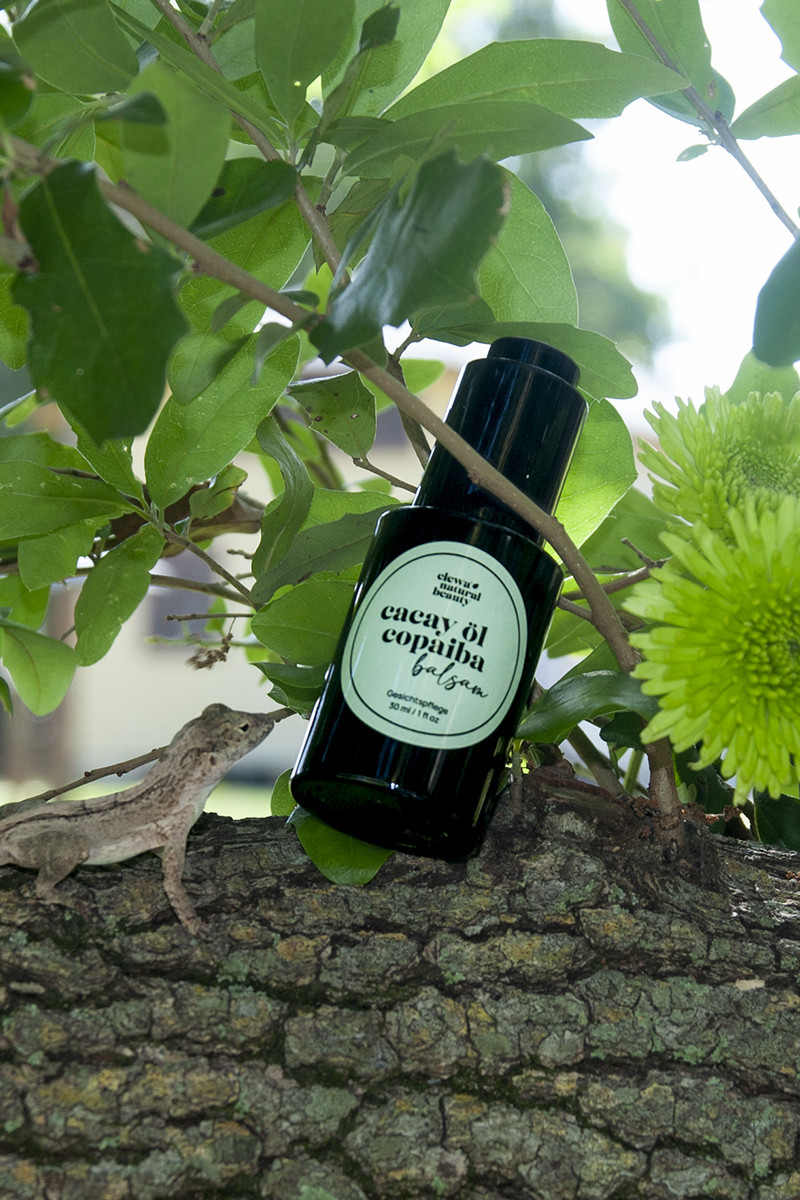

Afrika trifft auf Südamerika.
Cacay Öl, Andiroba Öl und Copaiba Balsam stammen aus den Amazonas Gebieten in Brasilien und Kolumbien.
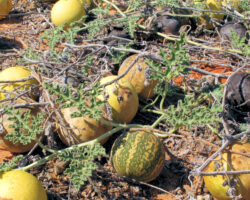
Die Kalahari-Melone, die besondere Frucht der Namib-Wüste
The Kalahari melon (Citrullus lanatus) thrives in arid, desert
landscapes, where it miraculously manages to fill itself with water each season. Both the fruit of the melons and their seeds are important sources of nutrition for local people, while oil pressed from Kalahari melon seeds has a long history of culinary and cosmetic use. Yellow hued with a slightly nutty scent, the oil is high in linoleic acid and a strong, easily absorbed moisturiser thought to have anti-aging properties. After harvesting, the fruit pulp of the Kalahari melons is separated from the seeds: some of the pulp is used to prepare traditional dishes and some used to feed livestock. The melon seeds are then dried and aggregated at collection points for purchase and transportation to the producer’s processing facility in Harare, where the kernels are extracted from the seeds and cold-pressed into oil.
Country of origin: Zimbabwe
Harvesting season: May – July
Production method: Wild harvested

Wild harvest
Harvesters collect wild Kalahari melons for the producer throughout various districts and regions such as rural Matebeleland. The producer’s access permits for the melons are issued by the Forestry Commission, the Rural District Council and traditional leaders, stakeholders with whom the producer works closely to manage and monitor harvesting and processing.
The producer evaluates the Kalahari melon population for risk of overharvesting, using an ecological management plan to ensure commercialisation does not negatively impact the melons or their environment and providing training around harvesting best practices. An annual species, each season the plants die back, leaving the melons for easy collection: enough fruit is left to ensure the germination of the next season’s population. Each batch of Kalahari melon seed oil is fully traceable.
Community and economic impact
- Economic empowerment: The commercial harvesting of Kalahari melon seeds provides a crucial source of income for rural communities in Zimbabwe. For example, following a severe drought in 2023–2024, the harvest allowed women in the Buhera district to earn enough money to buy food, pay school fees, and support their households.
- Sustainable practice: Wild harvesting supports both environmental and social responsibility by using a naturally resilient and indigenous plant.
Social Impact
Kalahari melon harvesters (predominantly women) are organised into collectives that negotiate pricing and the terms of their long-term contracts with the producer. The production of Kalahari melon seed oil is considered a Biotrade activity: the producer has established informed consent with the local authority in the harvesting community and mutually negotiated terms with harvester groups. The Rural District Council is the key stakeholder in the management and monitoring of Kalahari melon commercialisation, in compliance with Access and Benefit Sharing regulation.
Harvesting kalahari melon seed in Zimbabwe
While no specific Wikipedia article on harvesting Kalahari melon seeds in Zimbabwe was found, the process is documented by organizations involved in its commercial wild harvesting there, such as Kuumba Community Foundation and The Producer. The method involves traditional techniques, often performed by women in rural areas, to separate the seeds from the fruit for further processing.
Harvesting process in Zimbabwe
- Harvesting season: In Zimbabwe, the wild harvest season for Kalahari melon runs from approximately May to July.
- Wild harvesting: Harvesters, particularly women in drought-prone regions like the Buhera district, gather the wild-growing Kalahari melons. The crop is drought-resilient, providing a vital source of income for local communities when other crops fail.
- Seed extraction: After the fruits are collected, the seeds are extracted from the pulp. Some traditional methods involve pounding the fresh fruit and
washing the seeds to separate them. Other methods include letting the melons dry out in the sun, after which the pulp is pounded and winnowed to isolate the seeds. - Drying: The separated seeds are then thoroughly dried in the sun to remove any remaining moisture.
- Collection and processing: Dried seeds are aggregated at collection points for purchase. For commercial use, companies like The Producer transport the seeds to facilities in Harare for further processing.
- Product end-use: The seeds are pressed to extract the valuable oil, which is
used in cosmetic and culinary products. The remaining fruit pulp is sometimes used for traditional dishes or as livestock feed.

Unsere Umverpackungen bestehen aus Papier & Stoffbeuteln aus zertifizierter Baumwolle.
elewa natural beauty
Onlineshop
In unserem Naturkosmetik-Onlineshop findest du hochwertige Gesichts- & Körperöle, die deine Haut natürlich pflegen.